
In manufacturing processes such as panel processing, plastic lamination, furniture veneering, electronic component forming, and film composite materials, the heat pressing procedure directly determines finished product quality, production efficiency, and long-term operating costs. Many enterprises face similar challenges before investing in equipment: uneven product surfaces, poor bonding, inconsistent batch quality, high energy consumption, and complicated machine adjustments. These common issues can be effectively solved with a properly matched heat press machine.
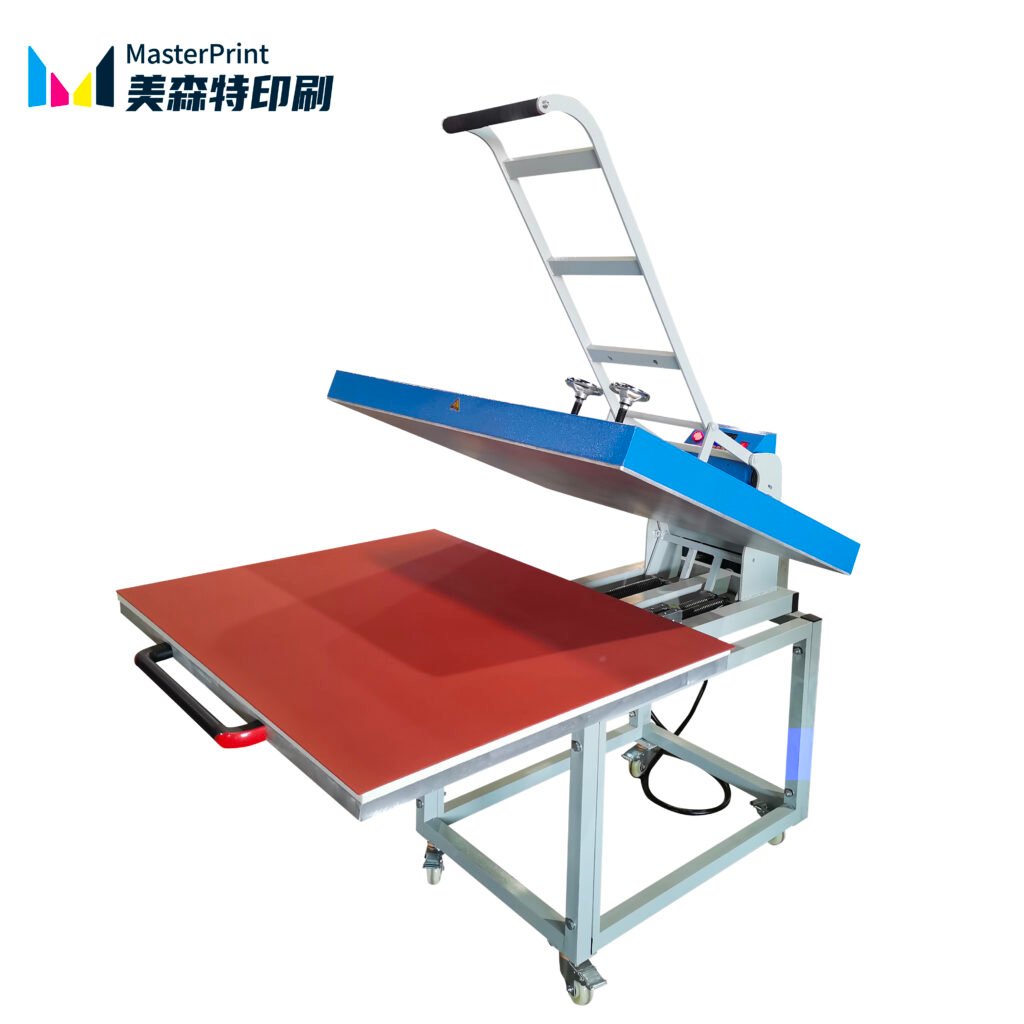
Understanding Your Actual Production Requirements
Different processes have completely different requirements for temperature, pressure, platen size, and holding time. Choosing an overly large tonnage or high-end model without actual demand not only wastes investment but may also lead to higher defective rates due to unsuitable parameters.
For large-area panel lamination, platen flatness and heating uniformity are critical. For small precision parts, temperature control accuracy and pressure stability become priorities. For continuous production lines, fast response, low failure rate, and easy maintenance are essential.
Before purchasing, clarify three key points:
- Maximum dimensions and thickness of processed materials
- Required temperature range and pressure level
- Daily production capacity and automation needs
Confirming these details helps select the right model and avoids extra costs from later modifications or upgrades.
Common Production Issues Affecting Efficiency
Many enterprises already own heat press machines but struggle with inefficient operation due to several typical problems.
Uneven Heating Causes Bubbles and Delamination
Large temperature fluctuations and non-uniform platen heating are major causes of defective products, especially for thin materials, films, and composite materials. A stable and uniform heating system significantly reduces rejects and ensures consistency in appearance and strength across batches.
Unstable Pressure Leads to Poor Flatness
Fluctuating pressure results in uneven pressing, edge warping, and surface depression. For products with high appearance and precision requirements, defective heat pressing can hardly be repaired in secondary processing, leading to direct material waste.
Slow Heating and Long Pressing Cycles Limit Output
Traditional machines with slow heating and cooling systems extend single-cycle time, increase labor waiting time, and cause delays in order fulfillment. More efficient heat press structures noticeably shorten cycle time and increase daily output without additional labor.
High Energy Consumption Raises Long-Term Costs
Heating and power systems account for a large proportion of electricity use. During continuous operation, energy costs become a significant fixed expense. Well-designed energy-saving models reduce monthly power consumption significantly under the same production capacity.
Complex Operation Increases Errors and Training Time
Complicated control panels and lack of parameter memory lead to frequent adjustments during material or order changes, wasting time and causing quality issues due to human error. Intuitive control systems allow new operators to get started quickly and reduce mistakes.
Benefits of Reliable Heat Press Equipment
A suitable heat press machine brings more than basic pressing function — it optimizes the entire production process:
- Higher finished product consistency, lower rework rates, and reduced material waste
- Shorter single-batch processing time, improved overall productivity, and more reliable delivery
- Stable performance with fewer shutdowns and maintenance interruptions for key orders
- Simplified operation, less reliance on skilled workers, and easier team management
- Lower energy consumption, resulting in considerable long-term operational savings
For enterprises, equipment investment is a way to strengthen competitiveness, not just an expense. A stable and efficient heat press machine helps businesses stand out through better quality and higher productivity.
Focus on Long-Term Value, Not Just Upfront Price
Many buyers compare prices first, but actual operating costs depend on years of performance, failure rates, maintenance difficulty, and energy use.
Under the same process requirements:
- Some machines cost less upfront but suffer frequent failures, high power use, and short service life
- Others have moderate initial investment with stable operation, easy maintenance, and high durability
When selecting a machine, pay attention to structural materials, core components, temperature control accuracy, and after-sales response speed. Suitable equipment usually pays for itself within a short period through improved productivity and reduced waste.
Choosing the Right Machine Maximizes Production Efficiency
Although the heat pressing process seems simple, it directly affects final product performance. Whether for small-scale production, large-scale assembly lines, or sublimation heat press applications, the key is to match equipment with actual production needs, ensuring smoother operation, more stable quality, and more controllable costs.
If you need support in model selection, parameter configuration, or process matching, customized solutions can be provided based on your materials, dimensions, and production requirements, allowing the equipment to truly improve efficiency rather than becoming a production burden.